Winning Confidence Through Friendly Competition
28 July 2026 | 2
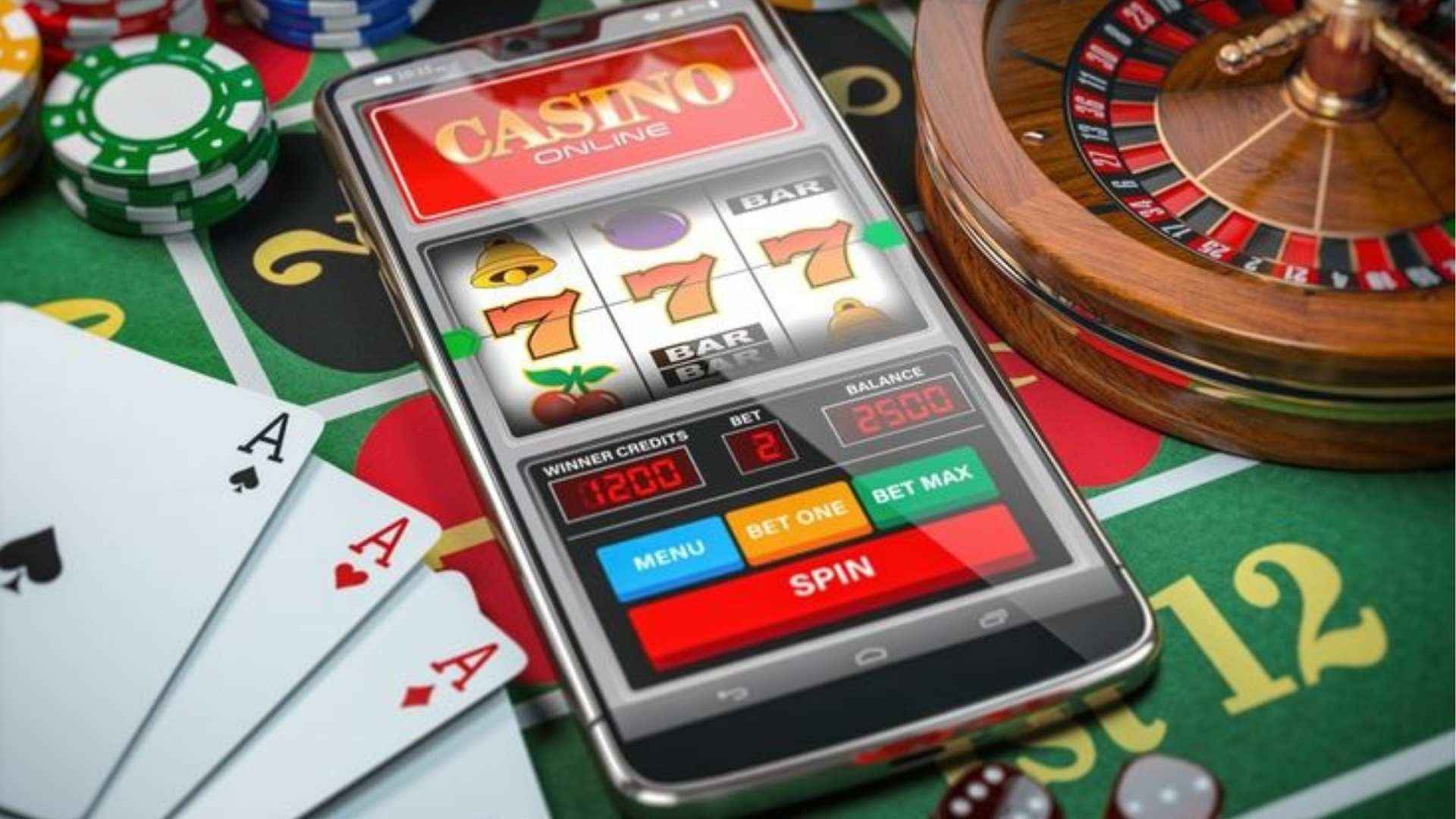
Healthy rivalry often serves as an incredible catalyst for personal development and self-assurance across various age groups. By engaging in low-stakes contests, individuals can safely test their abilities while learning valuable lessons about teamwork and perseverance. This positive framework transforms potentially stressful challenges into rewarding experiences that foster long-term resilience.
The Psychology of Supportive Rivalry
Stepping into a competitive arena allows participants to enhance their attention span and elevate their effort levels significantly. Unlike hyper-competitive environments that cause deep anxiety, friendly matchups focus heavily on mutual growth and skill refinement. When the pressure of extreme criticism is removed, individuals feel much more comfortable taking creative risks.
Furthermore, regular participation in organized activities provides a safe space to navigate both victories and minor setbacks. Learning to celebrate others' achievements while analyzing one's own performance builds deep emotional maturity. This balanced perspective shifts the primary objective from defeating an opponent to pursuing continuous self-improvement.
Cultivating Social Bonding Through Play
Engaging in group games naturally brings people together, bridging social gaps and reducing feelings of isolation. Shared experiences during a match help coactors feel socially closer to one another through coordinated focus. You can explore secure ways to access popular gaming platforms by using a reliable M88 link login to start your own interactive sessions. These lighthearted settings encourage genuine communication and lasting camaraderie among participants.
Strong social connections also trigger reward mechanisms in the human brain that mitigate negative stress responses. When players collaborate or compete under fair guidelines, they establish a supportive framework built on mutual trust. This active participation turns routine entertainment into a powerful tool for community integration and mutual support.
Building Lifelong Resilience and Assurance
Navigating the natural ups and downs of structured games equips players with the mental fortitude needed for real-world hurdles. True resilience involves recovering smoothly from unexpected changes and adapting your strategy on the fly. Facing small challenges in a game environment trains the mind to view difficulties as temporary learning phases rather than permanent failures.
As individuals witness their own progress over multiple sessions, their self-worth increases naturally. This gradual building of self-assurance empowers people to face daily responsibilities with a much more optimistic mindset. Ultimately, the journey of friendly rivalry teaches us that the greatest victory is growing stronger alongside our peers.