Play Ps3 Games On Ps4 Compatibility Explained
8 August 2026 | 286
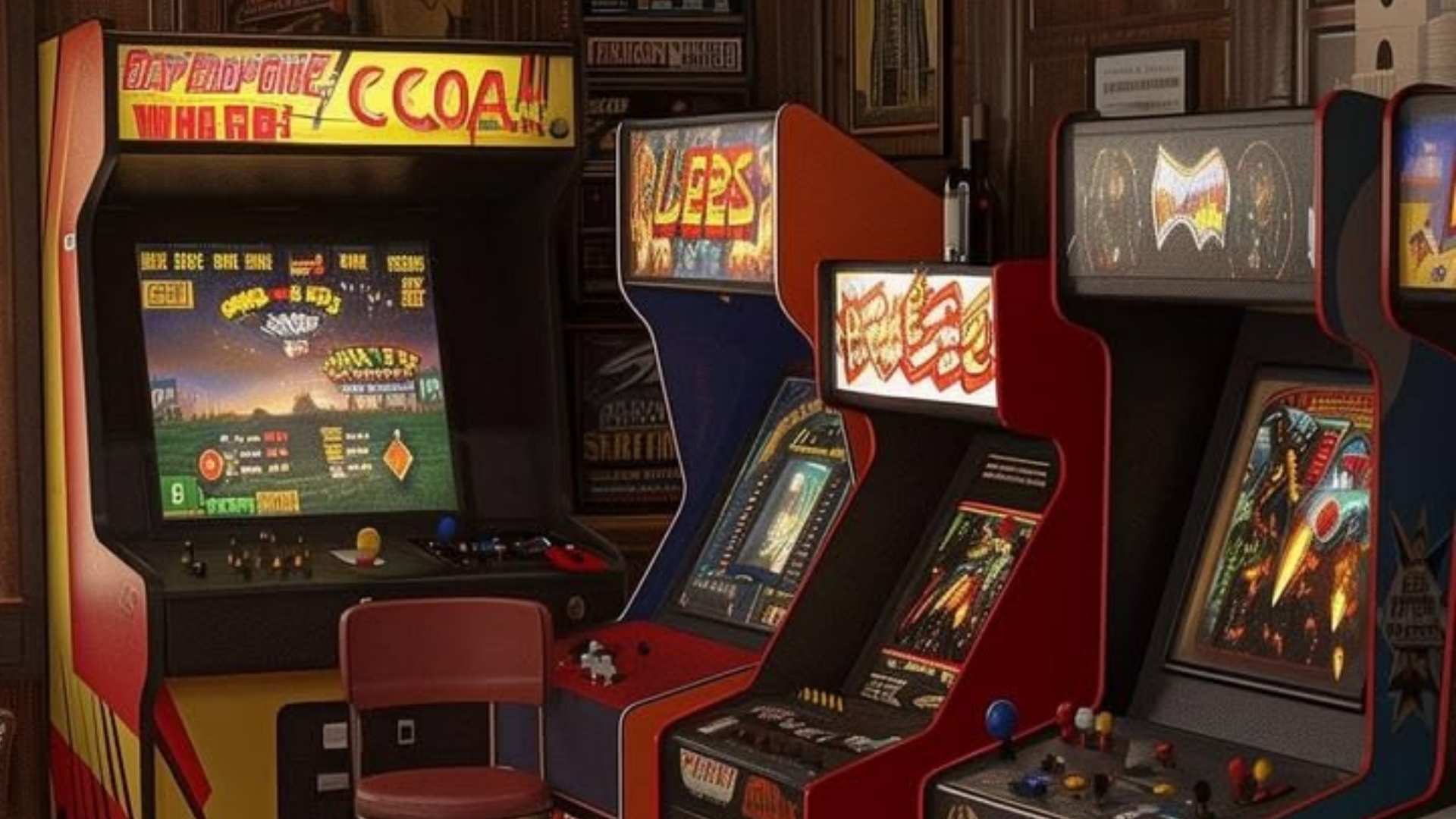
The transition between console generations often leaves players wondering about the fate of their older gaming libraries. As one of the most successful systems of its era, the PlayStation 4 attracted millions of users who hoped to bring their previous experiences forward. Understanding how the hardware handles legacy discs and digital downloads helps clarify the boundaries between these distinct hardware ecosystems.
The Core Architectural Barrier Explained
The primary reason the PlayStation 4 cannot natively read older media lies deep within its internal processor design. Sony built the PlayStation 3 around a highly customized and complex infrastructure known as the Cell processor. This system required developers to learn unique coding pipelines that differed heavily from traditional computer setups.
When designing the follow-up console, engineers shifted to a standard x86-64 architecture supplied by AMD. While this decision made modern game development significantly easier, it completely removed hardware parity with the previous generation. As a result, inserting a legacy disc into the newer console will only result in an unrecognized format error.
Digital Alternatives and Streaming Solutions
Since local emulation is off the table due to these hardware limitations, software solutions fill the gap. Players looking to access older catalogs must rely on cloud streaming technology provided through premium subscription tiers. This system shifts the heavy computational demands away from your home console onto remote servers.
Through the modern tier system, subscribers gain access to a curated selection of classic releases streamed directly over the internet. This approach bypasses the architectural differences by delivering an interactive video feed directly to your display. However, this method requires a highly stable and fast broadband connection to avoid noticeable input lag.
Remasters and Digital Re-Releases
Another popular avenue for experiencing classic titles involves dedicated software ports and full visual upgrades. Many publishers recognized the demand for popular adventures and chose to rebuild their titles specifically for the newer system framework. These updated editions often include higher framerates, improved resolutions, and all previously released downloadable content.
Browsing the digital marketplace reveals numerous high-profile titles that have made the leap successfully. Buying these native versions guarantees smooth performance without relying on network stability or cloud queues. While this means purchasing a favorite game a second time, it remains the most reliable way to enjoy older narratives with modern visual standards.
Looking Forward to Future Hardware Generations
The lessons learned from the difficult transition between these generations shaped how future platforms handle legacy software. Maintaining the standardized x86 architecture across subsequent hardware builds has made modern cross-generation support incredibly seamless. This continuity ensures that modern libraries remain protected as players upgrade to newer machines.
While true backward support for the complex cell era remains isolated to specific cloud initiatives, the ecosystem as a whole has embraced consumer portability. Players can confidently build digital collections knowing the hardware shift that isolated older physical media is unlikely to happen again. Navigating these options allows preservation enthusiasts to keep their favorite virtual memories alive through approved channels.